
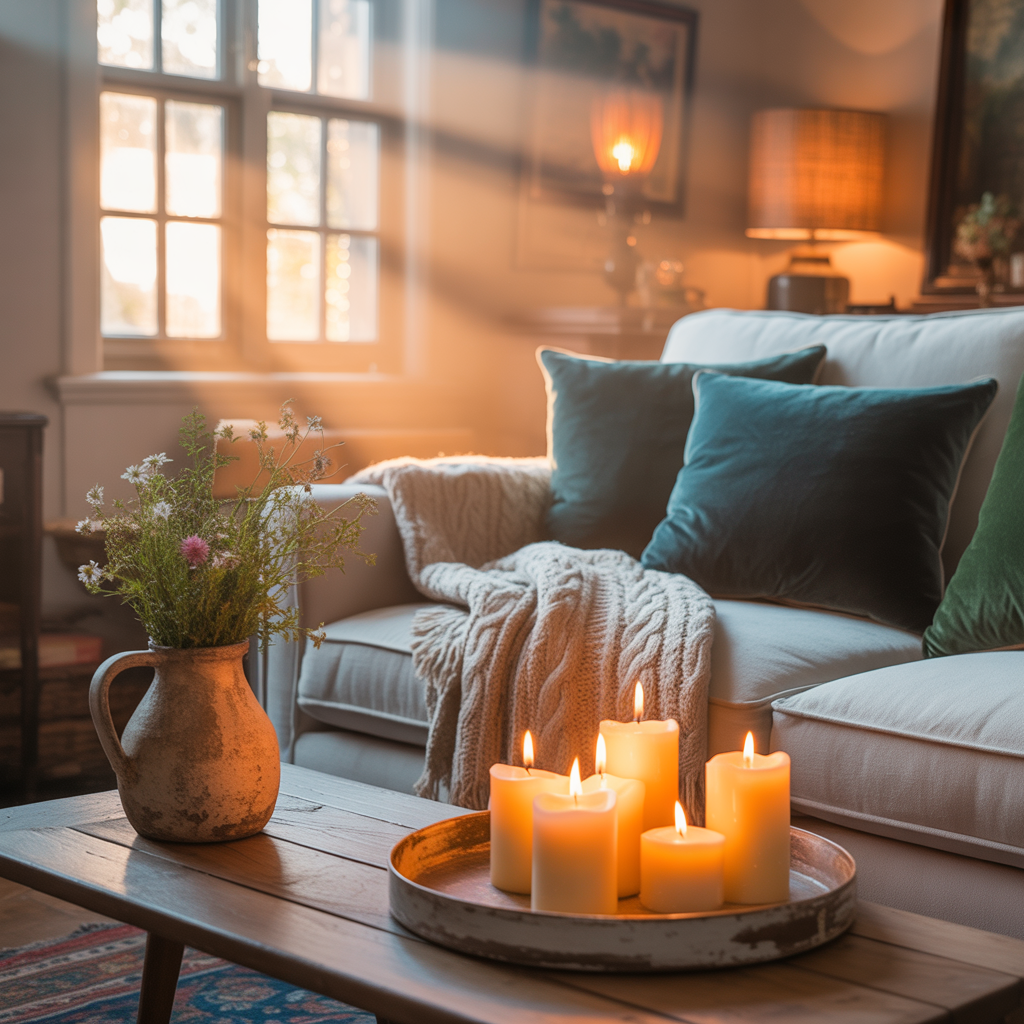
I’ll be honest with you. There’s this weird moment every November when I look around my living room and feel… stuck. The pumpkins and rust-coloured cushions that looked gorgeous in October suddenly feel a bit tired. The darker evenings have arrived with a vengeance, and whilst I’m craving proper winter cosiness, it feels far too early to drag out the Christmas decorations.
Maybe you’ve felt it too? That awkward in-between stage where your home doesn’t quite match the season anymore, but you’re not ready to commit to full festive mode. You want your space to feel welcoming and warm, but you also don’t want to create a mountain of work for yourself come December when it’s time to add Christmas touches.
Here’s what I’ve learned through years of getting this transition wrong: the autumn to winter shift doesn’t have to be a complete overhaul. In fact, it shouldn’t be. The secret is creating a cosy winter foundation that actually makes Christmas decorating easier, not harder. Think of it as laying the groundwork rather than starting from scratch.
On this page
- Why the Autumn to Winter Transition Matters
- When to Start Your Autumn to Winter Transition
- What to Remove First
- The Base Layer: Colours That Bridge to Christmas
- Textiles: Your Secret Weapon
- Lighting for Dark Winter Evenings
- Natural Elements That Work Now and Later
- Room-by-Room Transition Guide
- Small Touches That Make a Big Impact
- What NOT to Do During This Transition
- How This Transition Flows into Christmas
Why the Autumn to Winter Transition Matters
There’s more to this transition than just swapping a few cushions. Getting this phase right actually sets you up for a much easier, more enjoyable winter season overall. It’s about creating a home that supports your wellbeing during the darkest months whilst preparing the ground for festive celebrations.
The Awkward In-Between Period
November is tricky, isn’t it? The clocks have gone back, bonfire night has passed, and suddenly we’re facing weeks of dark evenings before Christmas even appears on the horizon. Your autumn decorations might have looked perfect in September, but by mid-November, they can feel out of sync with the weather outside.
I remember one year I stubbornly kept my autumn display up until the first of December because I’d spent money on it and felt guilty taking it down. My home felt cold and unwelcoming for weeks, and I was miserable every time I walked through the door. It taught me that sometimes it’s better to move with the seasons rather than fight them.
Building a Foundation for Christmas
This is the game-changer. When you create a proper winter base in November, you’re not creating extra work. You’re actually making life easier for December-you.
Think about it like getting dressed. You wouldn’t put a coat directly over a summer vest, would you? You’d layer properly. Your home works the same way. The winter transition creates that middle layer, so when Christmas arrives, you’re just adding festive touches to an already cosy space rather than attempting a complete transformation.
Creating Cosiness Without Commitment
The beauty of a winter transition (as opposed to diving straight into Christmas) is that you get to enjoy proper winter comfort for longer. December flies by in a blur of mince pies and last-minute shopping. If you wait until then to make your home cosy, you’ve missed out on weeks of enjoying it.
Plus, not everyone celebrates Christmas, or celebrates it in the same way. Creating a separate winter stage means your home feels special and seasonal without being locked into one specific holiday.
When to Start Your Autumn to Winter Transition
Timing this transition can feel like guesswork, but there are actually some clear indicators that help. You don’t want to jump too early and strip away autumn’s warmth whilst the weather’s still mild, but leaving it too late means missing out on weeks of proper winter cosiness.
You might have already started your Autumn home lighting changes, and these will work fine as you move into your winter transition.
Reading the Signs It’s Time
I used to think there was a “correct” date to make the switch, but honestly, it’s more about reading your home and your feelings. Some signs it might be time:
Your autumn decor is looking a bit sad and faded. The leaves have all fallen from the trees outside. You’ve started wearing your thick jumpers rather than cardigans. The heating’s been on for a few weeks. You’re lighting candles earlier and earlier each evening.
Trust your instincts. If you’re feeling the pull towards winter warmth, that’s usually a good indicator.
The Ideal Timeline (Early to Mid-November)
That said, I’ve found early to mid-November tends to be the sweet spot. After bonfire night but well before December begins. It gives you several weeks to enjoy your winter styling before the Christmas rush, and it means your home feels seasonally appropriate without jumping the gun.
I usually do my transition the weekend after Remembrance Sunday. It’s become a little ritual now. I put on something cosy, make a cup of tea, and spend a Saturday afternoon gently shifting my home from autumn to winter mode.
What to Remove First
Before you start adding winter elements, you need to clear space both physically and visually. But here’s the thing: you don’t need to strip everything bare. This isn’t about creating a blank slate; it’s about editing thoughtfully.
Autumn-Specific Elements That Won’t Work
Right, let’s talk about what needs to go. I’m not suggesting you strip everything bare, but there are certain things that scream “autumn” rather than “winter”, and they’ll work against the cosy vibe you’re trying to create.
Pumpkins and gourds are the obvious ones. Anything orange or rust-coloured that feels very October. Those dried leaf garlands or acorn decorations. Autumn-themed prints or signs with words like “harvest” or “fall” (well, we say autumn anyway, don’t we?).
Lighter-weight throws and cushions can go too. If you’ve been using cotton or linen textiles, it’s time to pack those away in favour of something more substantial. Your summer self will thank you for storing them properly rather than leaving them to get grubby through winter.
What Can Actually Stay
Here’s the surprising bit. More can stay than you think.
Warm neutrals work beautifully through winter. Those cream, beige, and soft brown tones you used for autumn? They’re perfect for creating that winter base layer. Deep greens are brilliant too. They feel autumnal, wintry, AND they’ll work with Christmas decorations. It’s like the Switzerland of colours.
Natural textures like wood, wicker, and jute all transition seamlessly. That wooden tray you used for your autumn display? It’ll look just as good holding winter candles. Your wicker baskets? Perfect for storing extra blankets.
If you’ve been enjoying cosy autumn touches like throws and candles, many of these elements can absolutely stay and form the foundation of your winter styling.
The Base Layer: Colours That Bridge to Christmas
This is honestly one of the cleverest tricks I’ve learned. Choosing the right colours now means less work later and a more cohesive look throughout. The colours you select for your winter base will either make Christmas decorating a breeze or a battle.
Neutrals as Your Foundation
This is where the magic happens. Creams, whites, soft greys, warm beiges. These colours create a blank canvas that feels cosy rather than stark.
I’ve got these light grey coloured cushions that have been on my sofa since October, and they’ll stay there right through until spring. They’re the foundation that everything else builds on. In November, I add deeper winter tones. In December, I’ll tuck in some tartan or sparkle. But the base stays constant.
It means less work, less storage, and honestly, less expense. Win, win, win.
Jewel Tones That Work Year-Round
Deep teals, rich burgundies, forest greens, and navy blues. These colours feel luxurious and cosy, they work for winter, and they’ll complement Christmas decorations rather than clash with them.
I’ve got this teal velvet cushion that I bought years ago, and it’s my secret weapon. Autumn? Looks gorgeous. Winter? Absolutely perfect. Christmas? Goes beautifully with everything. That’s the kind of versatile piece worth investing in.
Metallics That Transition Beautifully
Copper and brass can stay from your autumn styling. They add warmth without screaming Christmas. Silver and gold can be introduced gradually. A few silver candlesticks now won’t look out of place, and they’ll tie in perfectly when you add tinsel and baubles in December.
I’m cautious with metallics though. A little goes a long way, and you don’t want your November living room looking like Santa’s grotto quite yet. Plus, you so want things to add once you start making it Christmassy.
Textiles: Your Secret Weapon
If I could only make one change during the autumn to winter transition, it would be textiles. Nothing transforms a space faster or more affordably than swapping out your soft furnishings. The weight, texture, and warmth of winter fabrics genuinely change how a room feels.
Swapping Lighter Fabrics for Winter Weight
Right, this is probably the single biggest change you can make for the least amount of effort. Textiles completely transform how a room feels.
Out go the cotton throws, in come the chunky knits and faux fur. Light linen cushions get replaced with velvet or wool. It’s not about buying everything new either. I’ve got winter cushion covers that I swap onto my existing cushions. Takes about ten minutes and makes such a difference.
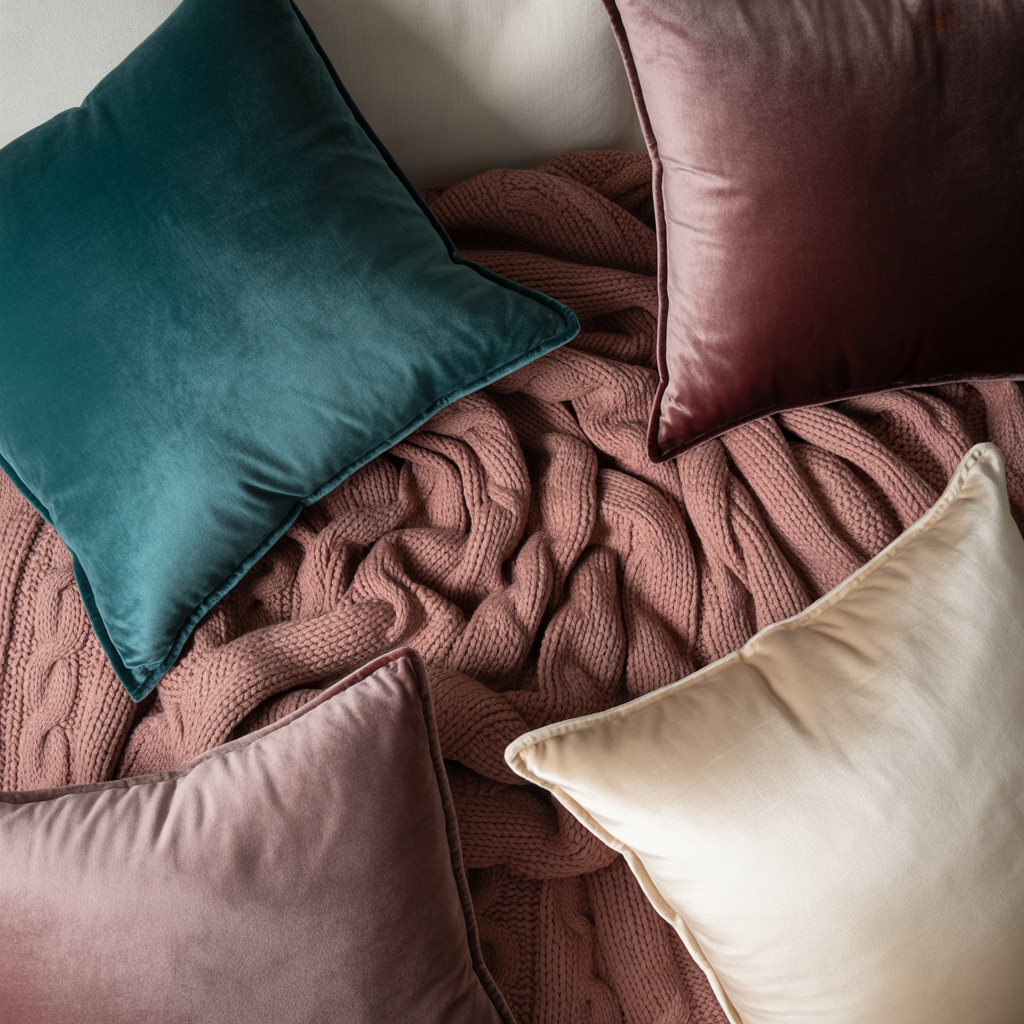
The weight of the fabrics actually makes a room feel warmer, even before you’ve touched the thermostat. Something about the visual of thick, soft textures tricks your brain into feeling cosier.
Layering Throws and Cushions Strategically
I used to think more was more when it came to cushions. Turns out, strategic layering is better than just piling them on.
Start with your neutral base cushions. Add one or two in deeper winter colours. Then perhaps one textured or patterned piece as a focal point. For throws, I like having one draped over the back of the sofa and one folded in a basket nearby.
It looks intentional rather than cluttered, and crucially, it’s not going to clash when you add a festive cushion or two come December.
Winter Bedding Changes
Don’t neglect the bedroom in all this. Swapping to a heavier duvet or adding a blanket layer makes such a difference to how you sleep. I tend to add a soft throw to the end of my bed this time of year.
Deep, rich colours work beautifully. I’ve got this burgundy quilted throw that makes my bed look like something from a magazine (it is the only part that does), and it definitely helps with the dark winter mornings. Well, makes them slightly more bearable anyway.
Lighting for Dark Winter Evenings
Once the clocks go back, lighting becomes absolutely critical. It’s not just about being able to see; it’s about creating warmth, comfort, and atmosphere in spaces that suddenly feel darker for so many more hours each day.
Adding Warmth Without Fairy Lights (Yet)
Lighting is crucial. Those dark evenings need combating, but you don’t want to go full fairy light mode in November. Save some magic for Christmas.
Instead, focus on warm, ambient lighting. Table lamps with soft, warm bulbs rather than overhead lights. I’ve learned that autumn lighting strategies actually work perfectly for winter too, you just need to lean into them even more.
Salt lamps are brilliant for this transition period. They give off a gorgeous warm glow without looking Christmassy. And they’re supposed to have all sorts of health benefits too, though I mostly just like the cosy ambience they create.
Candles and Ambient Lighting
Candles become absolute essential in November. I’m not ashamed to admit I light candles at four in the afternoon once the clocks go back.
Switch from autumn scents (think apple and cinnamon) to winter ones. I love pine, eucalyptus, and anything that smells fresh and clean rather than overtly seasonal. These scents work now and won’t feel wrong when Christmas decorations go up.
Group candles in threes or fives on trays for impact. Different heights create visual interest. And pillar candles feel more winter-elegant than tea lights, though I use both to be honest.
Lamp Placement for Cosy Corners
This is something I’ve only recently figured out properly. Instead of trying to light your whole room, create pockets of warmth and light.
A lamp in the corner where you read. Another on a side table near the sofa. Maybe one on a bookshelf. It creates this layered, cosy feeling that overhead lighting just can’t achieve. Your room feels like a sanctuary rather than just… a room. Plus, it is cheaper than putting the ‘big light’ on. Or it is in my living room.
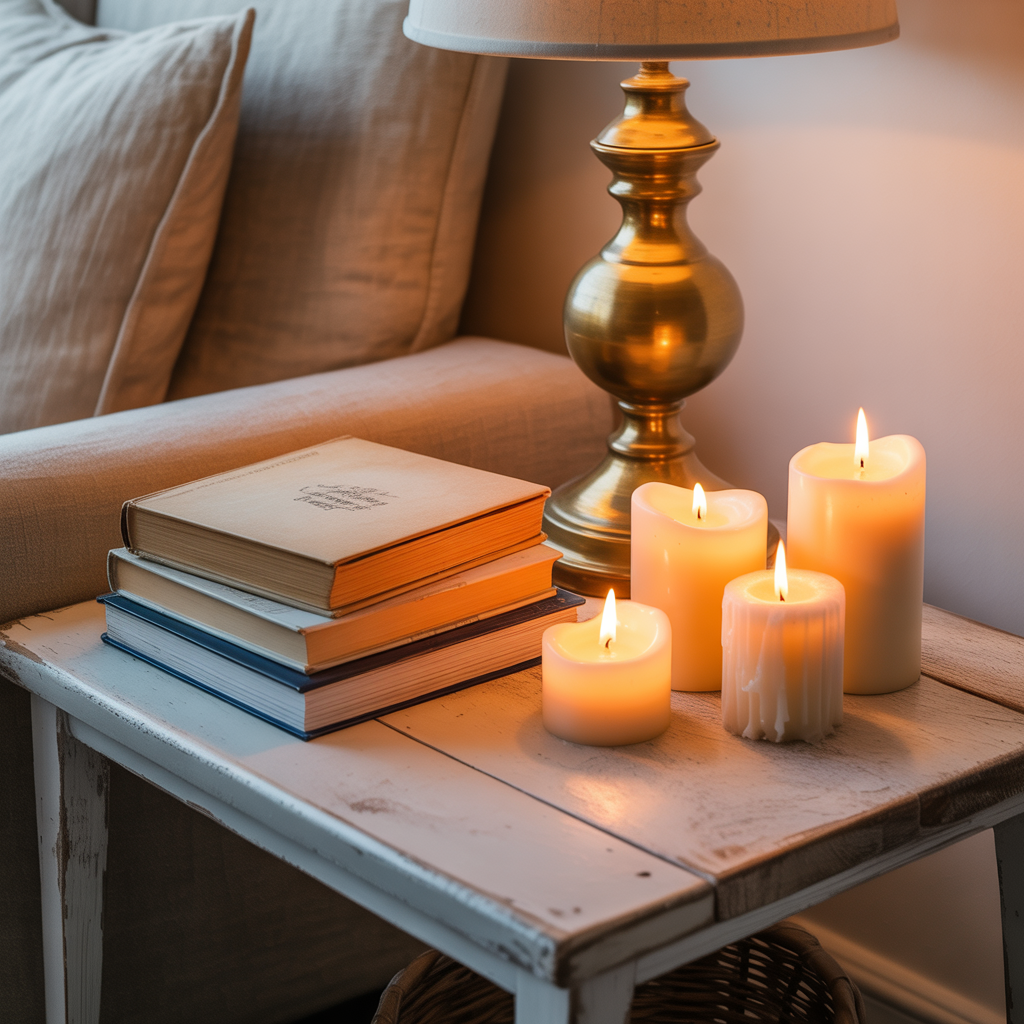
The psychological impact of this kind of lighting is real. There’s actually fascinating research about why we crave warmth and cosiness in autumn and winter, and lighting plays a huge part in that.
Natural Elements That Work Now and Later
This is where you get to be really clever with your decorating. Natural elements are brilliant because they work for November, they work through December, and they don’t look out of place even into January. They’re also free or very cheap if you know where to look.
Evergreen Branches and Pinecones
Here’s your opportunity to bring nature indoors in a way that works for November but sets you up beautifully for Christmas.
Evergreen branches. eucalyptus if you can buy it, pine, fir. They smell gorgeous, they look elegant, and they’ll work perfectly with Christmas decorations later. I collect branches from the garden and arrange them in jugs and vases.
Pinecones are brilliant too. You can leave them natural, or if you’re feeling fancy, spray them with a bit of white or silver paint. Not glittery yet. just a subtle frost effect.
Winter Berries and Twigs
Red berries feel wintry without being specifically Christmassy. I add sprigs of berries to my mantelpiece arrangements in November, and they look perfect. Come December, they’re already there, complementing the Christmas bits I add around them.
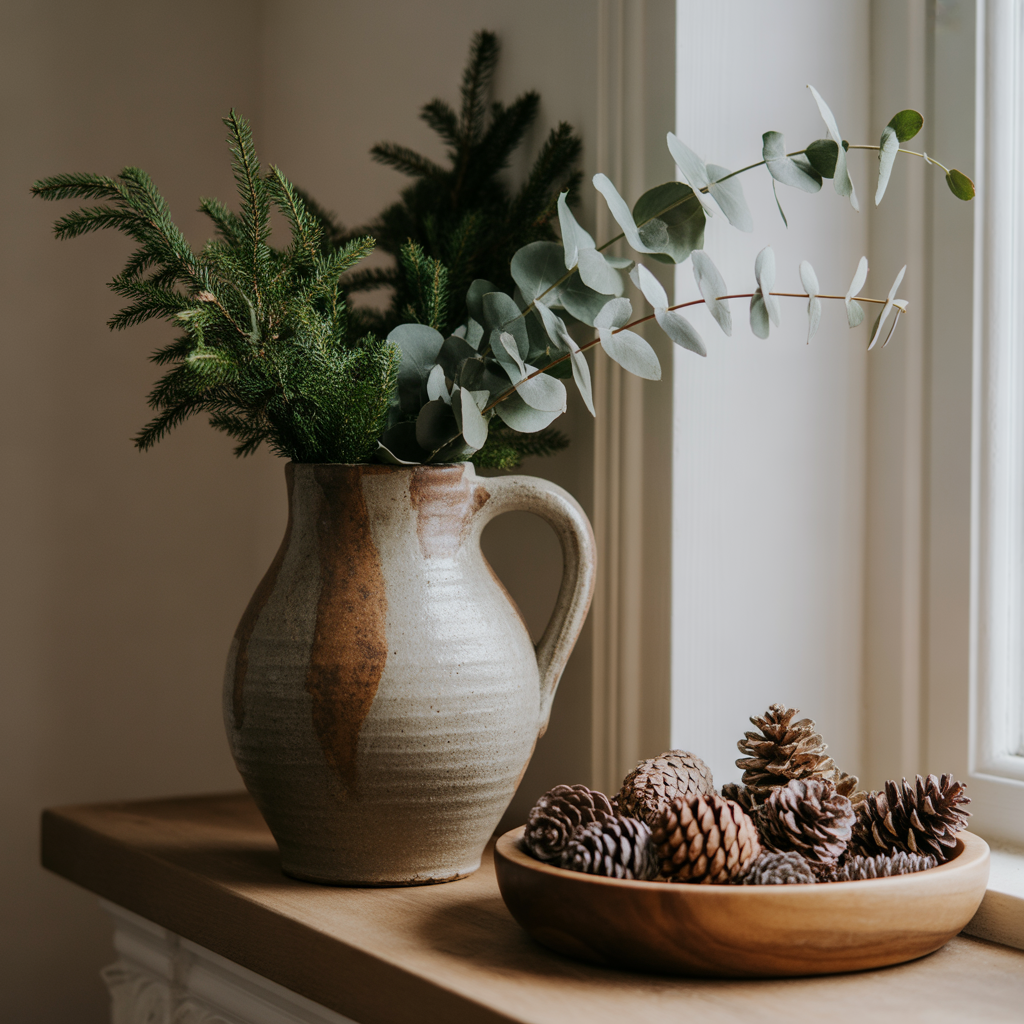
Bare twigs in tall vases create height and interest without much effort. I used to spray them, but now I think they look better natural. Free decoration that looks expensive. I’m all for that.
How These Elements Enhance Christmas Decor
The clever bit about using natural elements now is that they become part of your Christmas decorating rather than something you need to remove.
That evergreen branch arrangement? Just tuck in some baubles and ribbon. Those pinecones? Perfect scattered around the base of candles or added to your tree. You’re building layers rather than starting fresh, and it makes Christmas decorating feel more joyful and less like a massive task.
Room-by-Room Transition Guide
Different rooms need different approaches to this transition. Your living room has different requirements to your bedroom, and your hallway needs something else entirely. Let’s break down the key spaces and what actually matters in each.
Living Room: The Heart of Winter Comfort
Start here because it’s probably where you spend most of your time. This is the room that needs to feel cosy and welcoming.
Swap cushions and throws first. That’s your quick win. Add candles to your coffee table or mantelpiece. If you’ve got a fireplace, even if it doesn’t work, style it with candles or a log basket. The visual of a fireplace adds warmth even if it’s purely decorative.
Consider moving furniture slightly to create cosier groupings. Chairs pulled a bit closer together, a lamp moved to a reading corner. Small shifts that make the space feel more intimate.
Bedroom: Creating Your Winter Sanctuary
Your bedroom should be your refuge from dark mornings and cold nights. Change your bedding to something heavier and more luxurious feeling.
I add extra cushions to my bed this time of year. Makes it look inviting and gives you something to prop yourself up with when you’re reading in bed (which you’ll definitely be doing more of as the nights draw in).
Blackout curtains or heavier curtains make a real difference. They keep the cold out and the warmth in.
Hallway: The Welcome Home Moment
Don’t ignore your hallway. It’s the first thing you see when you come home, and on a cold, dark evening, you want that first impression to be warm and welcoming.
A runner rug if you don’t already have one. Warm lighting. definitely not harsh overhead. Maybe a battery operated candle on a hall table (don’t use real ones in places that aren’t occupied). If you’ve got space, a basket with spare blankets or a coat stand that looks inviting rather than cluttered.
These small touches make coming home feel like a hug rather than just… well, getting in out of the cold.
Kitchen and Dining: Preparing for Gatherings
The kitchen tends to be the heart of the home in winter, doesn’t it? We’re drinking more tea, baking more, spending time cooking warming meals.
Swap out any summery accessories for winter ones. Tea towels in warmer colours, maybe a nice wooden bread bin if you’ve been using something more utilitarian. If you’ve got open shelving, style it with winter whites and deeper tones.
For the dining table, a table runner in a rich colour or texture makes such a difference. You’re setting the stage for all those winter dinners and, eventually, Christmas lunch.
Small Touches That Make a Big Impact
Sometimes it’s not about the big, obvious changes. Often the smallest touches make the biggest difference to how your home actually feels. These are the details that turn a house into a proper winter sanctuary.
Scent and Atmosphere
Never underestimate the power of scent. It’s amazing how much a smell can transform a space.
Reed diffusers are brilliant for this because they work quietly in the background. Look for winter scents like pine, cedar, winter berries, or even just “clean linen” fragrances that feel fresh and welcoming.
Wax melts are good too, especially if you’ve got pets and worry about open flames. I use a mix of both. Diffusers for a gentle background scent, melts when I want something stronger.
Cosy Corners and Reading Nooks
If you’ve got space, create a dedicated cosy corner. A comfy chair, a side table for your tea, a lamp, a throw draped over the arm, a small basket of books or magazines.
I’ve got this corner in my dining room that I’ve set up near the window. On weekends, I’ll take my tea in there in the morning and just sit, watching the garden wake up. It’s become my favourite spot in the house.
You don’t need a whole room for this. Just a chair you love and a few thoughtful touches.
Window Treatments for Warmth
Thick curtains make more difference than you’d think. Not just for the actual warmth (though that helps), but for the feeling of being cocooned and protected from the cold outside.
If full curtain replacement isn’t in the budget, thermal liners are surprisingly affordable and they fit behind your existing curtains. I added them last winter and genuinely noticed the difference.
During the day, keep curtains open to let in any natural light. But once it gets dark, close them fully. It creates that sense of shutting out the world and keeping the warmth in.
What NOT to Do During This Transition
Right, let’s talk about mistakes I’ve made (so you don’t have to). There are some common pitfalls that can actually make your home feel worse rather than better, or create extra work for yourself come December.
Avoid Going Too Dark Too Soon
It’s tempting to embrace deep, moody colours, and whilst they can look gorgeous, too much darkness can make your home feel oppressive rather than cosy.
I made this mistake a few years ago. Bought all these deep navy and charcoal accessories thinking they’d look sophisticated. Instead, my living room felt like a cave. Not the cosy kind. the slightly depressing kind.
Balance is key. Dark colours as accents against lighter bases. Depth and light working together.
Don’t Box Yourself In with Theme
Resist the urge to commit to a heavy winter theme. “Ski lodge” or “Nordic cabin” can sound appealing, but they might not actually suit your space or your Christmas plans.
Keep it more general. “Winter warmth” is a theme. “Cosy textures” is a theme. They’re broad enough to work with your existing style and whatever direction you want to take things in December.
Skip Anything That Clashes with Red and Green
Even if you’re not planning a traditional red-and-green Christmas, it’s worth keeping this in the back of your mind. Avoid colours that would definitely clash if you changed your mind.
Those oranges and rusts from autumn? They don’t play nicely with Christmas colours. Purples can be tricky too. Stick to colours that are either neutral or complementary to traditional festive tones, even if you’ve not yet decided on your Christmas colour scheme.
How This Transition Flows into Christmas
Here’s where you see the real benefit of taking time to create a proper winter base. When December arrives and it’s time to add Christmas touches, everything just clicks into place because you’ve already done the groundwork.
The Simple Add-Ons in December
This is where all the planning pays off. When December arrives, you’re not facing a complete home makeover. You’re just adding layers.
Pop some baubles in with your existing natural arrangements. Add a garland to the mantelpiece alongside your candles and greenery. Hang a wreath on the door. Dot some fairy lights around. Add a tree in the corner.
All of these additions work with what you’ve already got rather than fighting against it. Your home goes from cosy winter to festive Christmas without needing to change everything.
Why This Approach Saves Time and Money
You’re not buying two completely separate sets of decorations. The foundation pieces (those neutral textiles, the candlesticks, the baskets, the natural elements) do double duty.
And time? You’ve already done the heavy lifting in November. December just needs the sparkly finishing touches. When everyone else is exhausted from completely redoing their homes, you’re just adding some baubles and calling it done.
More time for mince pies and less time wrestling with decoration boxes. That’s a win in my book.
Creating Layers Rather Than Starting Fresh
This is really the heart of the whole approach. Think like an interior designer. layers of colour, texture, light, and interest that build on each other.
Your summer-to-autumn transition created a base. Autumn-to-winter builds on that. Winter-to-Christmas adds another layer. And it all flows together because you’re not starting from scratch each time.
It’s easier, it’s more affordable, it’s better for the environment (less buying and discarding), and honestly, it results in a more cohesive, styled look.
I’ve come to love this time of year now. That shift from autumn to winter used to stress me out, but now it’s something I actually look forward to. There’s something quite meditative about gently adjusting your home to match the season outside.
The truth is, your home should work for you and with you, not against you. Creating a proper winter stage between autumn and Christmas means you get to enjoy each phase properly rather than rushing through or, worse, feeling stuck in an in-between space that doesn’t feel quite right.
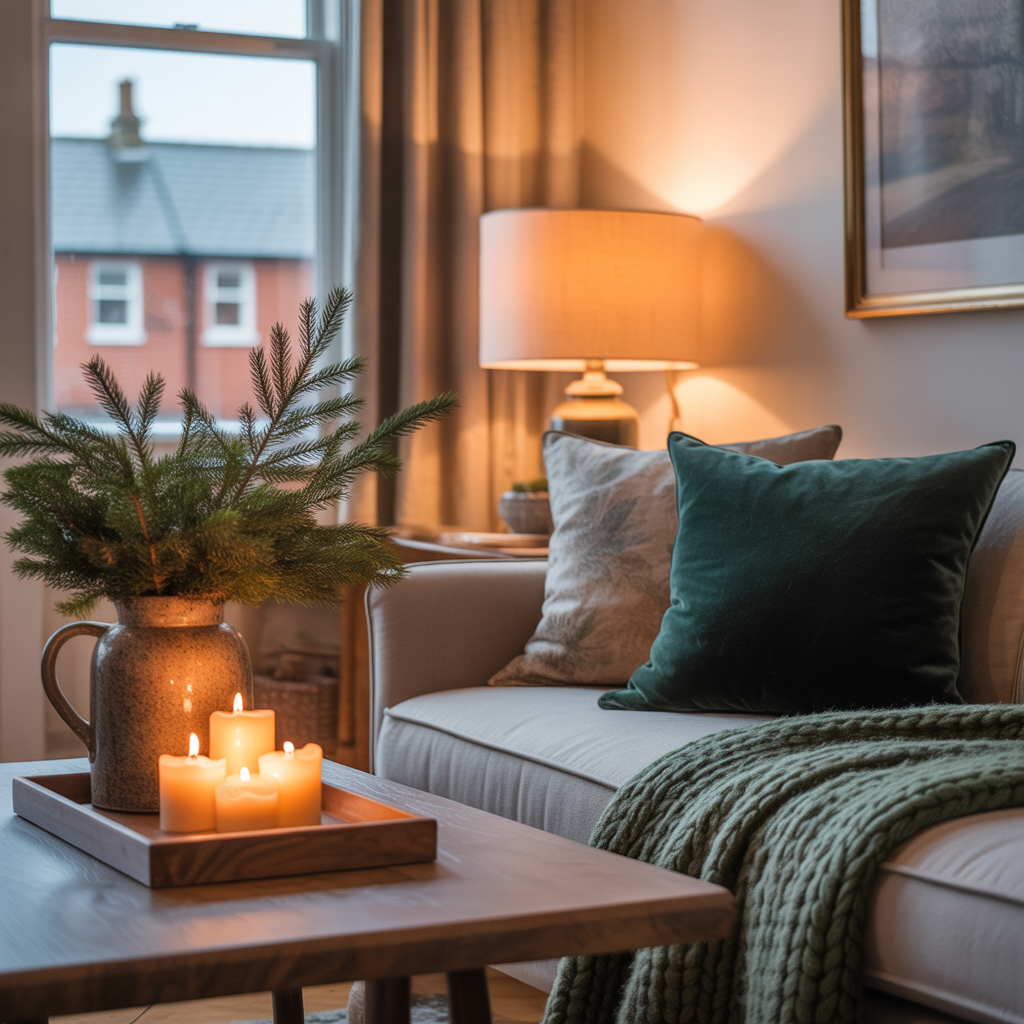
Start small if this all feels overwhelming. Swap your cushions. Add some candles. See how it makes you feel. You can always add more, but just those tiny changes might be enough to shift your home from “meh” to “ahh, this is lovely.”
And when December comes and everyone’s panicking about getting their homes Christmas-ready, you’ll be smugly sipping mulled wine, knowing you’ve already done most of the work.
What about you? How do you approach the autumn to winter transition in your home? Do you go straight to Christmas or create a cosy winter stage first? I’d love to hear your approach in the comments.