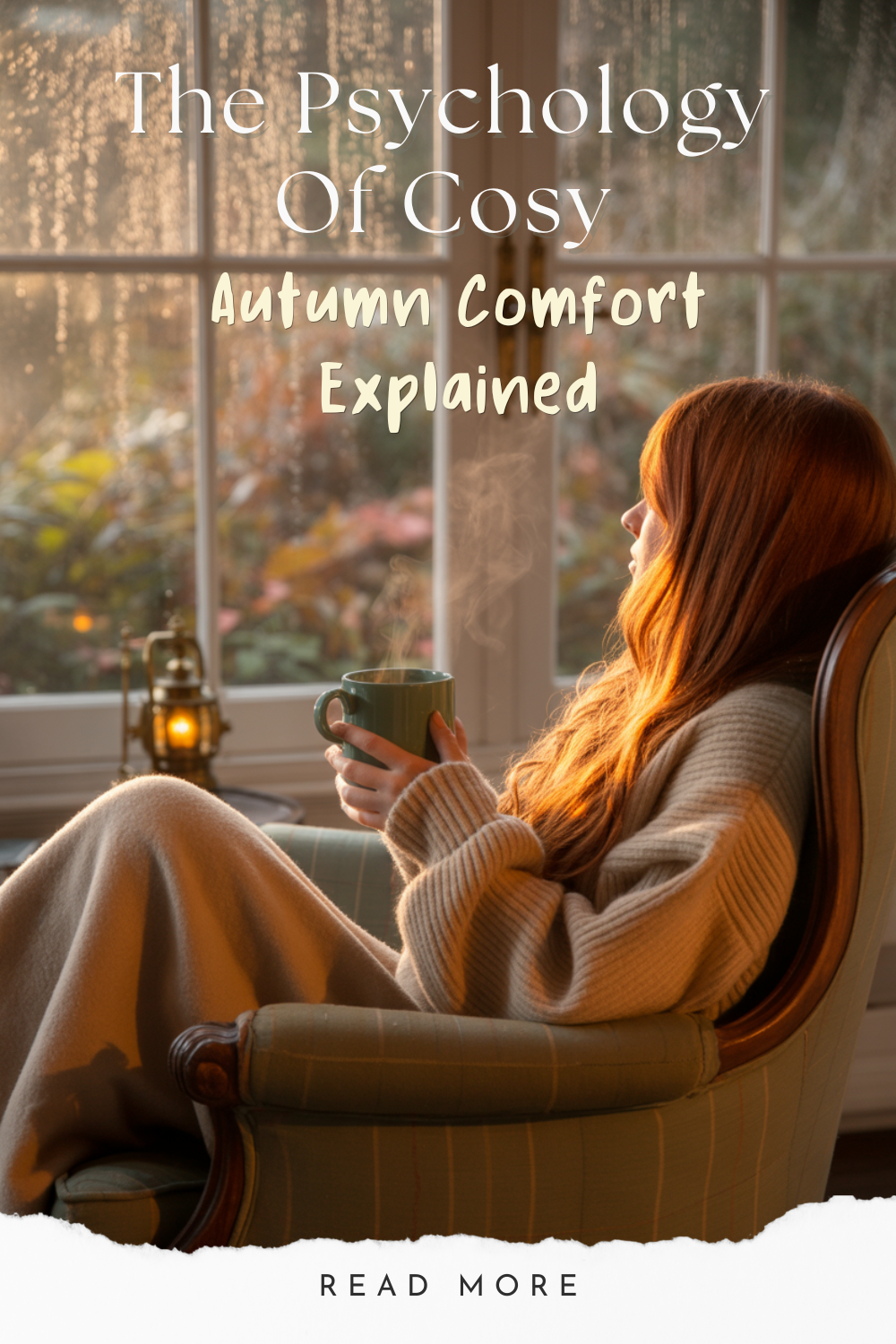

There is a particular kind of autumn day that seems to arrive overnight. The air has a nip to it, leaves crackle underfoot, and the sky turns the colour of a well brewed tea. Without thinking, you reach for a blanket, put the kettle on, and feel your shoulders drop. It is more than getting warm. It is a pull towards comfort. In many ways, this is the psychology of cosy at work, not just the weather turning
Why does autumn spark this urge so reliably each year. The answer is not only the temperature. Our craving for cosiness is rooted in psychology, biology, and culture. Around the world we have words for it, from hygge in Denmark to còsagach in Scotland, because the feeling is universal. The question is how to welcome it in with intention.
On this page
The Psychology Behind The Craving
Autumn changes the world outside and the world inside us. Our minds and bodies respond in ways that quietly nudge us towards soft light, warm hands, and safe corners.
Nature’s Seasonal Shift
As daylight shortens, our circadian rhythms shift. Less morning light can leave us groggier, while earlier darkness cues the body to wind down sooner. Mood regulating chemicals such as serotonin can dip with reduced sunlight, which is one reason we crave small rewards and soothing routines.
Warm, golden lighting feels especially comforting because it mimics sunrise and firelight, gentle signals of safety. Evolution plays a part as well. For our ancestors, colder months meant conserving energy and staying close to shelter. Hunkering down was sensible survival. The instinct still hums in us.
Nesting Behaviour And Safe Spaces
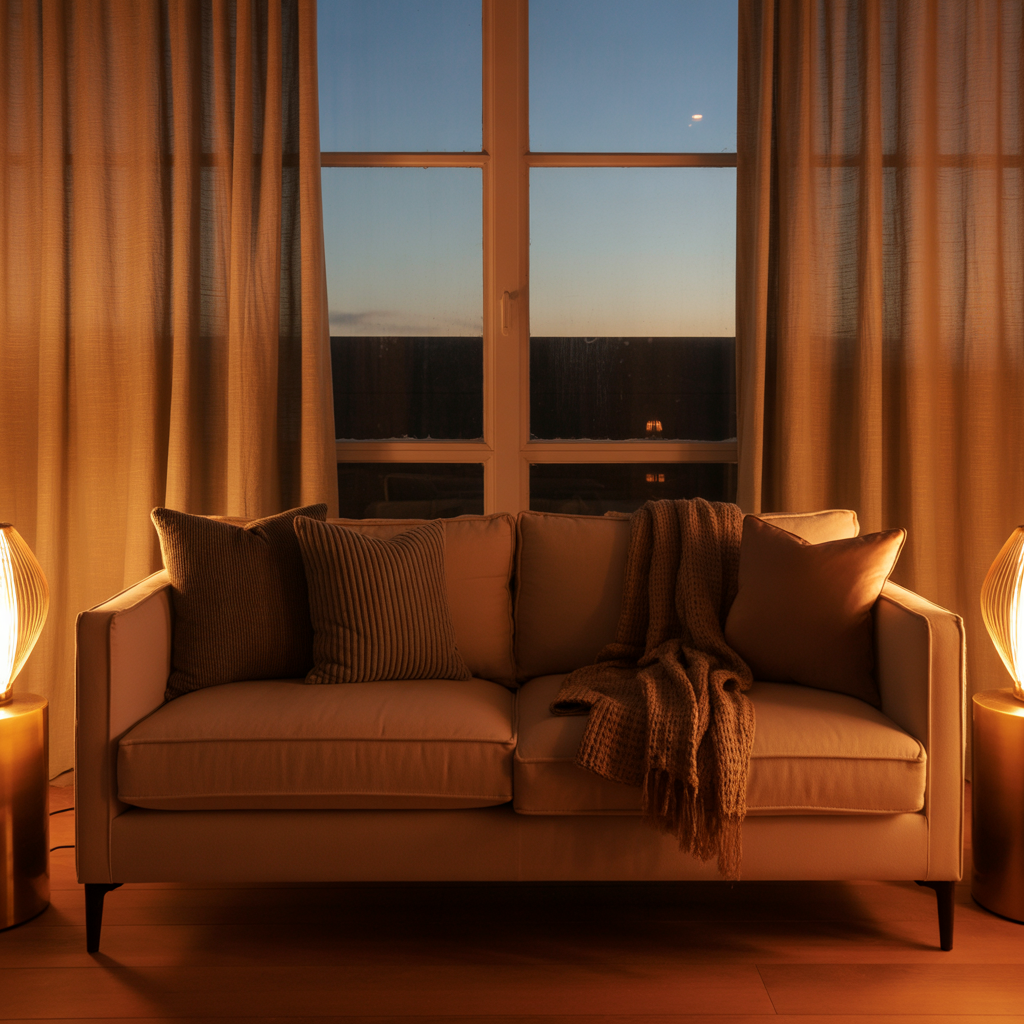
When conditions feel uncertain outside, we respond by shaping what we can control inside. That is nesting. We clear surfaces, add layers, pull furniture a little closer, and swap bright bulbs for lamps. Smaller, enclosed spaces often feel safer in autumn and winter.
Think of the natural ease of a window seat, a snug corner of the sofa, or a reading nook under the stairs. We cocoon ourselves in textures for the same reason. A thick jumper, a fleece throw, a wool sock. These are little suits of armour against the chill.
Nostalgia And Memory
Cosiness is memory rich. For many of us it is tied to childhood moments that felt safe and kind. Reading while the rain tapped the windows. Coming inside from Bonfire Night to hot chocolate and pink cheeks. The first tinselled hint of Christmas in a village shop.
These associations live quietly in the background. When the air turns, we find ourselves seeking the feelings those memories carry. Protection. Belonging. A sense that all is well for now.

The Need For Restoration
Autumn arrives after summer’s outward energy. The social plans, the long daylight, the push to be out. By September and October many of us feel ready to turn inward.
Cosiness can be seen as seasonal self care. It invites rest and reflection. It says save your energy, prepare for winter, slow your pace. Embracing it helps us transition without fighting what our bodies already know.
The Social Psychology Of Cosy
Cosiness is rarely a solo act for long. It has a way of gathering people and making small moments feel meaningful.
Intimate Spaces, Deeper Connection
Large rooms encourage performance. Smaller rooms encourage conversation. A lamp lit table for four, the corner sofa with a shared blanket, a kitchen where everyone ends up around the stove.
Intimate spaces lower our defences and make it easier to talk about real things. That is why game nights and soup suppers feel especially right in autumn.
The Joy Of Nurturing
Creating comfort for others is a powerful bonding act. Laying out extra mugs, bringing out the good candles, warming plates in the oven.
These small rituals tell people they matter here. We feel connected because we are actively creating belonging.
Repeating little traditions strengthens relationships. The first mulled drink of the year, the Sunday slow roast, the film you always watch when the clocks go back.
These markers build rhythm and give everyone something to look forward to.
The Sensory Experience Of Cosy
Cosiness works through the senses. The more layers you engage, the richer the effect.
Touch
Chunky knits, fleece throws, velvet cushions, a warm mug in your hands. Layer textures that invite touch and mix them across a room so comfort is always within reach.
Sight
Candlelight, pools of golden lamp light, the soft glow of a fire, and muted autumnal colours. Use lower, warmer light sources and keep one or two points of gentle brightness rather than a blaze of overhead light.
Sound
Crackling logs, rain on the windows, the gentle hum of a kettle, soft music, pages turning. Soundscapes can calm a busy mind within minutes.
Smell
Cinnamon, nutmeg, clove, orange peel, pine, fresh bread, woodsmoke. Scent is a shortcut to memory and mood. A simmer pot or a single scented candle can transform a grey afternoon.
Taste
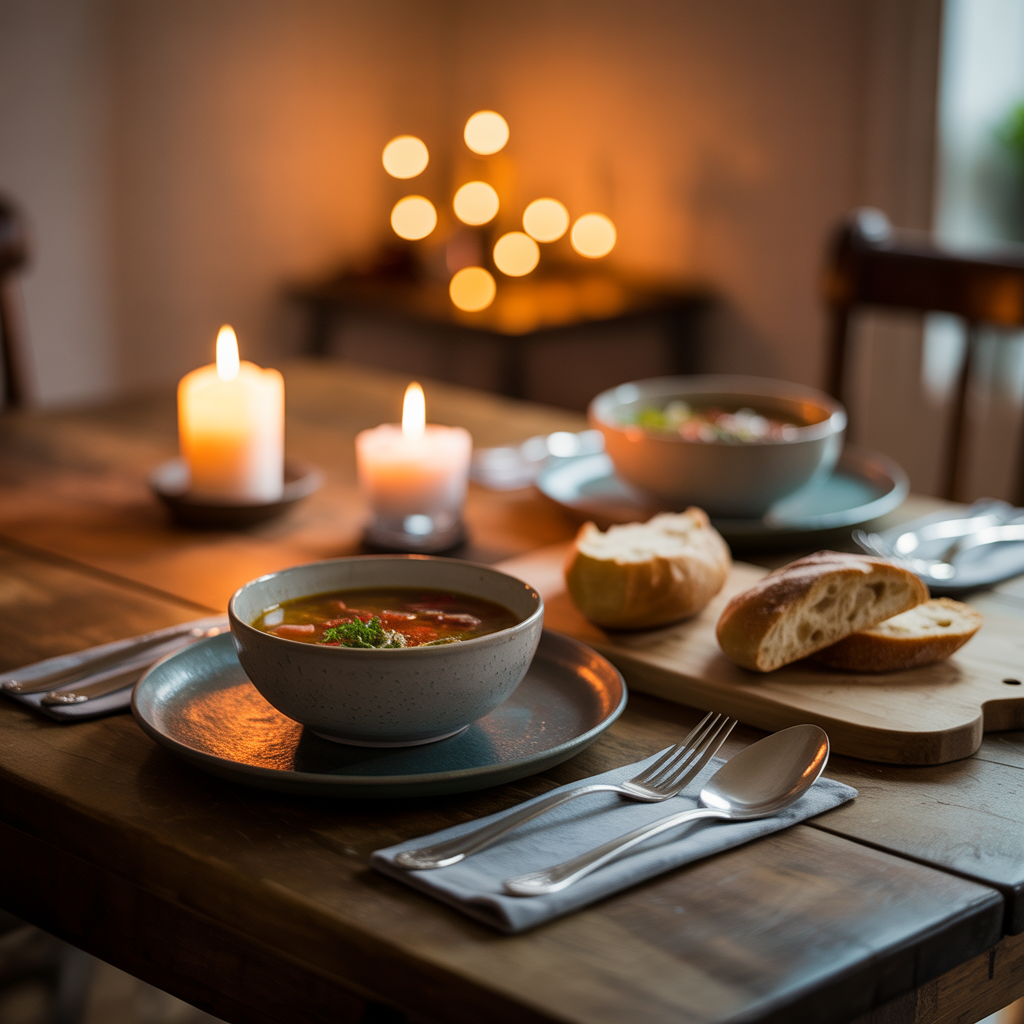
Mulled wine, spiced lattes, hearty soups, buttered toast, warm bread. Temperature contrast matters more than we might realise. A hot drink tastes more satisfying when the air is cool outside because our senses are heightened by the difference.
Temperature And Contrast
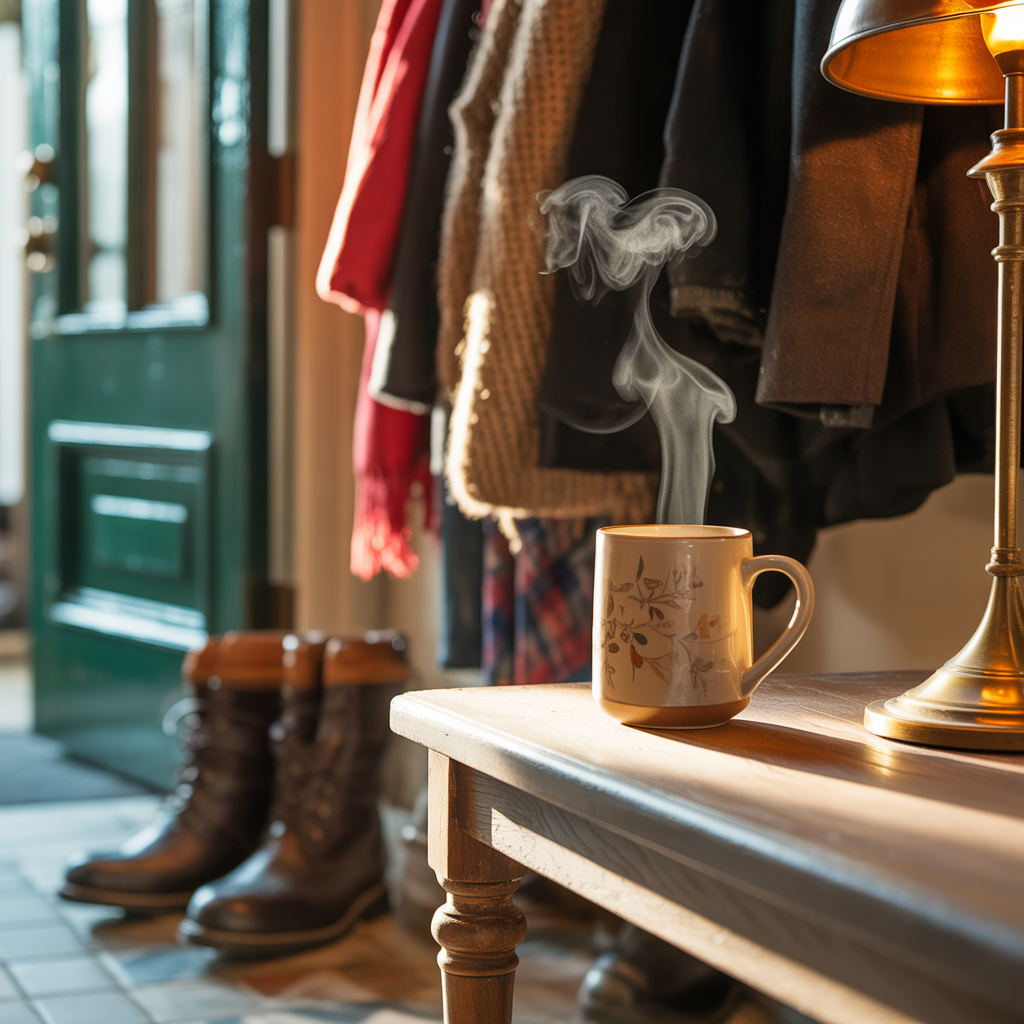
The ritual of wrapping cold hands around a warm mug, feeling the steam on your face, watching your breath disappear as you sip. These small contrasts amplify the pleasure.
Think of stepping inside from a crisp walk to find a pot of something simmering on the hob. Or pulling a tray of warm scones from the oven while rain streaks the kitchen window.
The difference between cold and warm, outside and in, creates a deeper sense of refuge. Even warming dinner plates changes the tone of a meal.
Our bodies read these shifts as signals of care and safety, which is why a bowl of soup on a mild day never quite hits the same way as it does when there is frost on the grass.
Global Perspectives On Cosiness
Across cultures, people have put words to the feeling and built traditions around it. The language varies, yet the heart of it remains the same.
- Hygge, Denmark And Norway: comfort, closeness, and contentment, created on purpose and shared with others.
- Còsagach, Scotland: snug shelter rooted in landscape and weather, a deep sense of tucked away ease.
- Lagom, Sweden: just the right amount. Balance, not excess, which keeps comfort sustainable.
- Friluftsliv, Norway: a love of outdoor life in all seasons. Cosiness is found by wrapping up and embracing fresh air as well as fireside evenings.
- Gemütlichkeit, Germany: warm hospitality, sociability, the feeling of belonging in a welcoming place.
- Ikigai, Japan: not cosiness in itself, yet the daily rituals of purpose and small joys align closely with it.
Different words, same human need. Warmth, safety, and belonging.
Cultivating Your Own Cosy Life
Cosiness does not ask for perfection. It asks for intention. A few thoughtful shifts can change the whole feel of a home and a week.
- Light For The Season: switch on lamps before dusk so the room never tips into cold grey. Use warm bulbs and let candles do the rest.
- Layer Textures: add a throw to every seat, keep a basket of blankets by the sofa, use natural fibres where you can.
- Create A Winter Corner: a chair, a side table, a lamp, and a place to tuck your feet. Keep your current book and a spare pair of socks there.
- Cook Simple, Slow Food: a pot of soup, a tray bake, bread warmed in the oven. Foods that gather people without fuss.
- Set Soft Sound: a rainy day playlist, an old film in the background, or simply the quiet bubble of the kettle.
- Mark Small Rituals: light a candle with the first cup of tea, take a short evening walk when the streetlights come on, share a weekly supper with neighbours.
- Welcome Others In: invite friends for soup and games, swap bakes with next door, share your favourite autumn film. Cosiness grows when shared.
A Gentle Close
Autumn’s call for cosiness is more than décor. It is biological, psychological, cultural, and deeply social. When we honour our natural rhythms, the season becomes a companion rather than something to endure. We rest, we gather, we warm our hands and our conversations.
What makes autumn feel cosy for you. I would love to hear your rituals and memories in the comments.